

One platform.
Every system
connected.
E-Systems helps businesses simplify messy processes, connect the right tools, and create clear systems people can actually use.
ERP
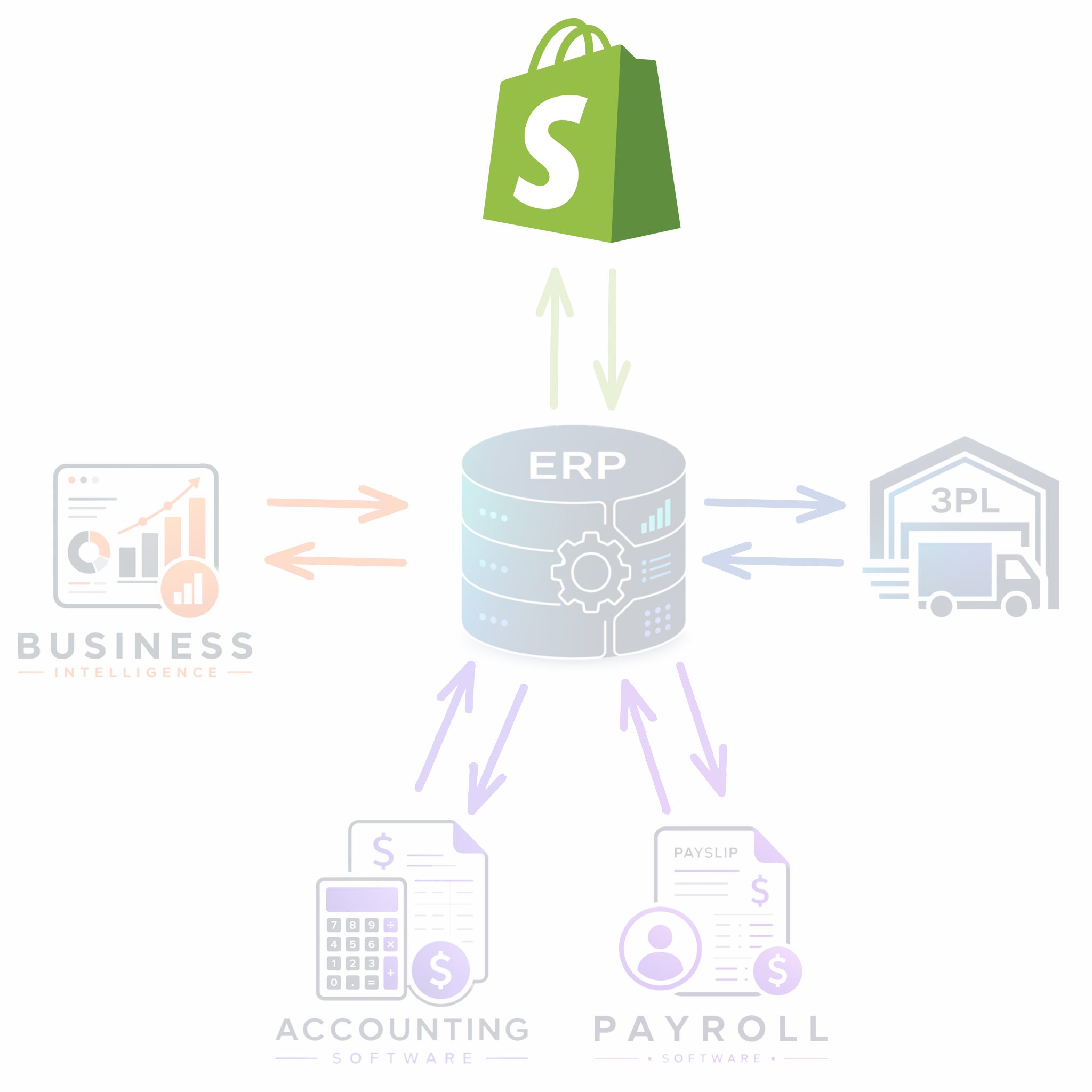
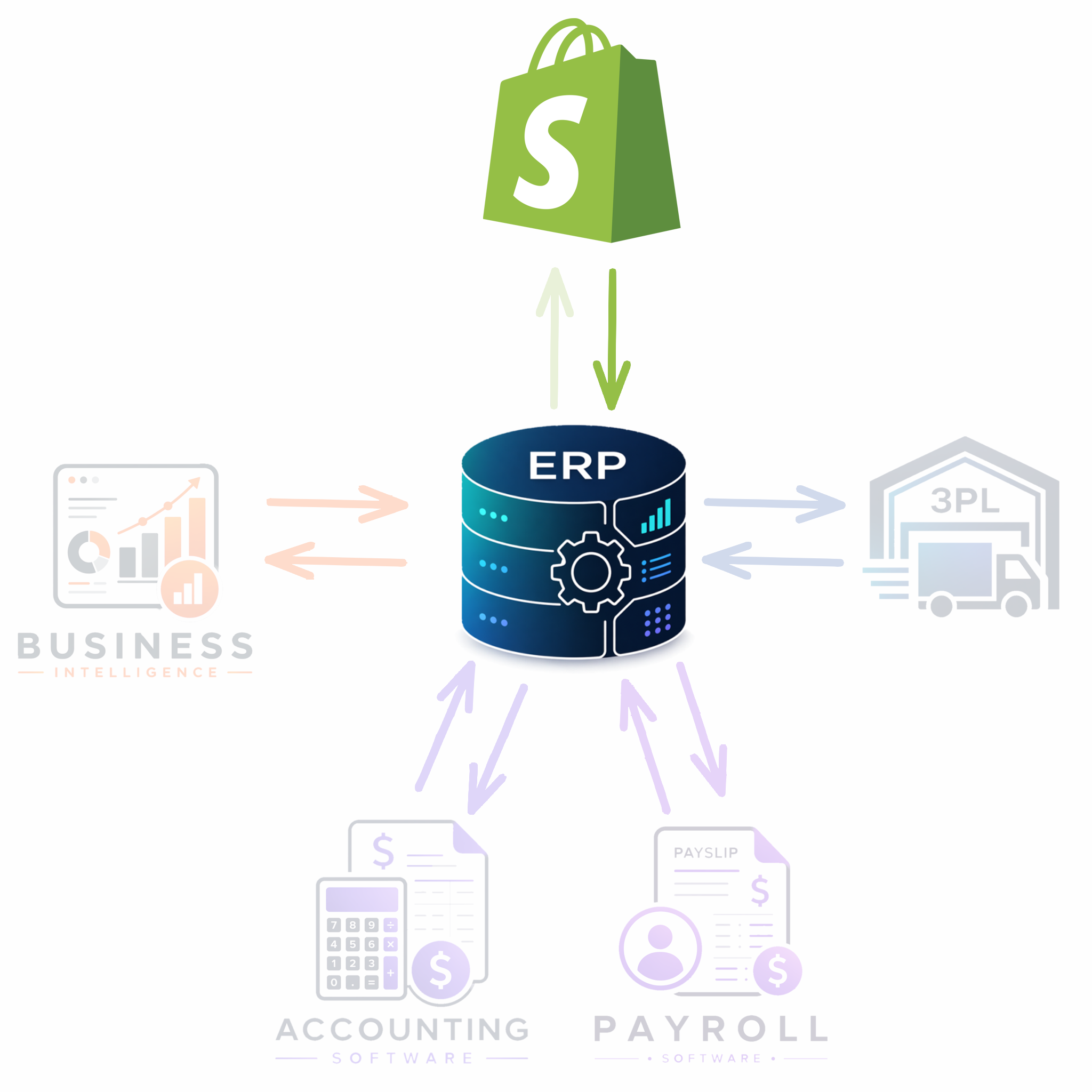
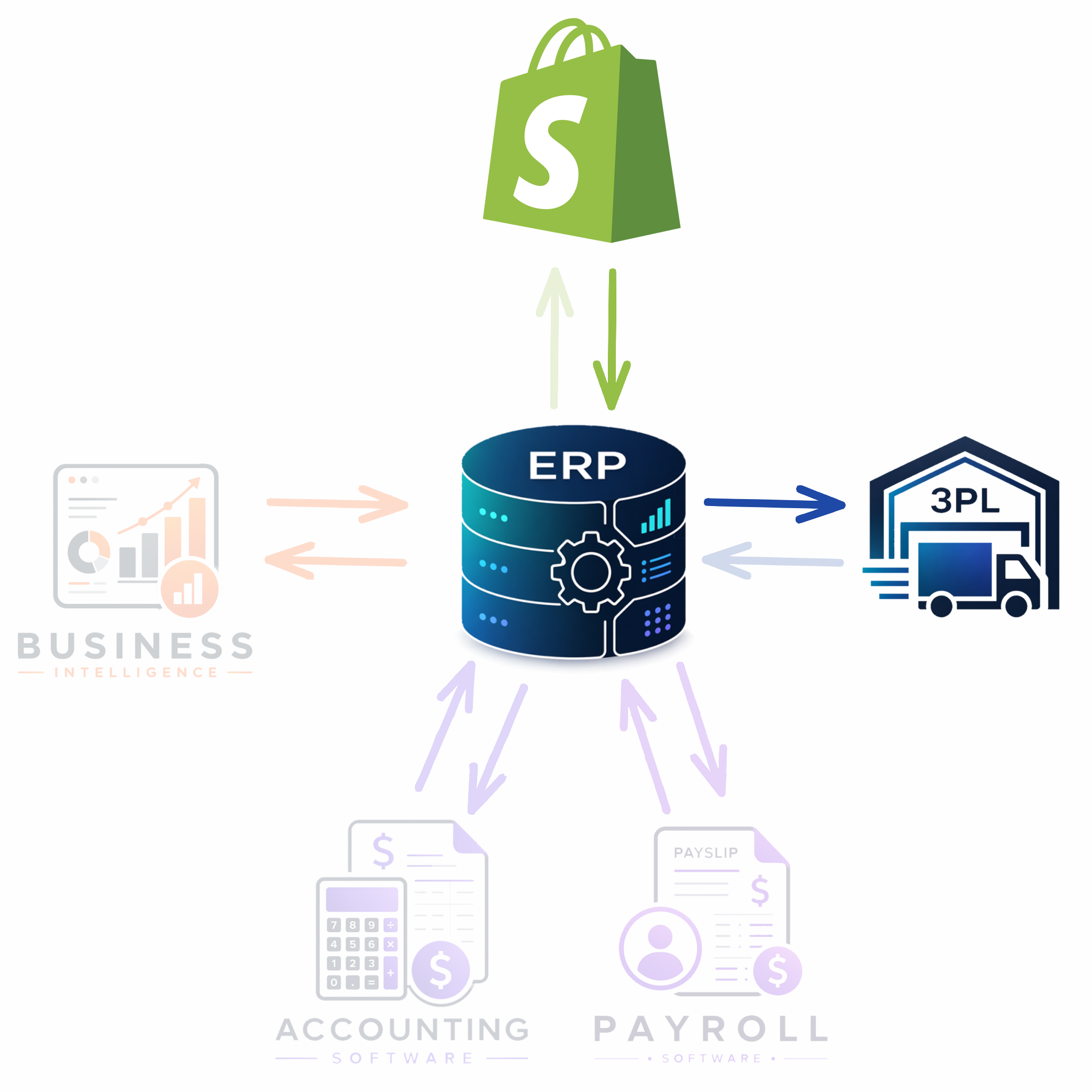
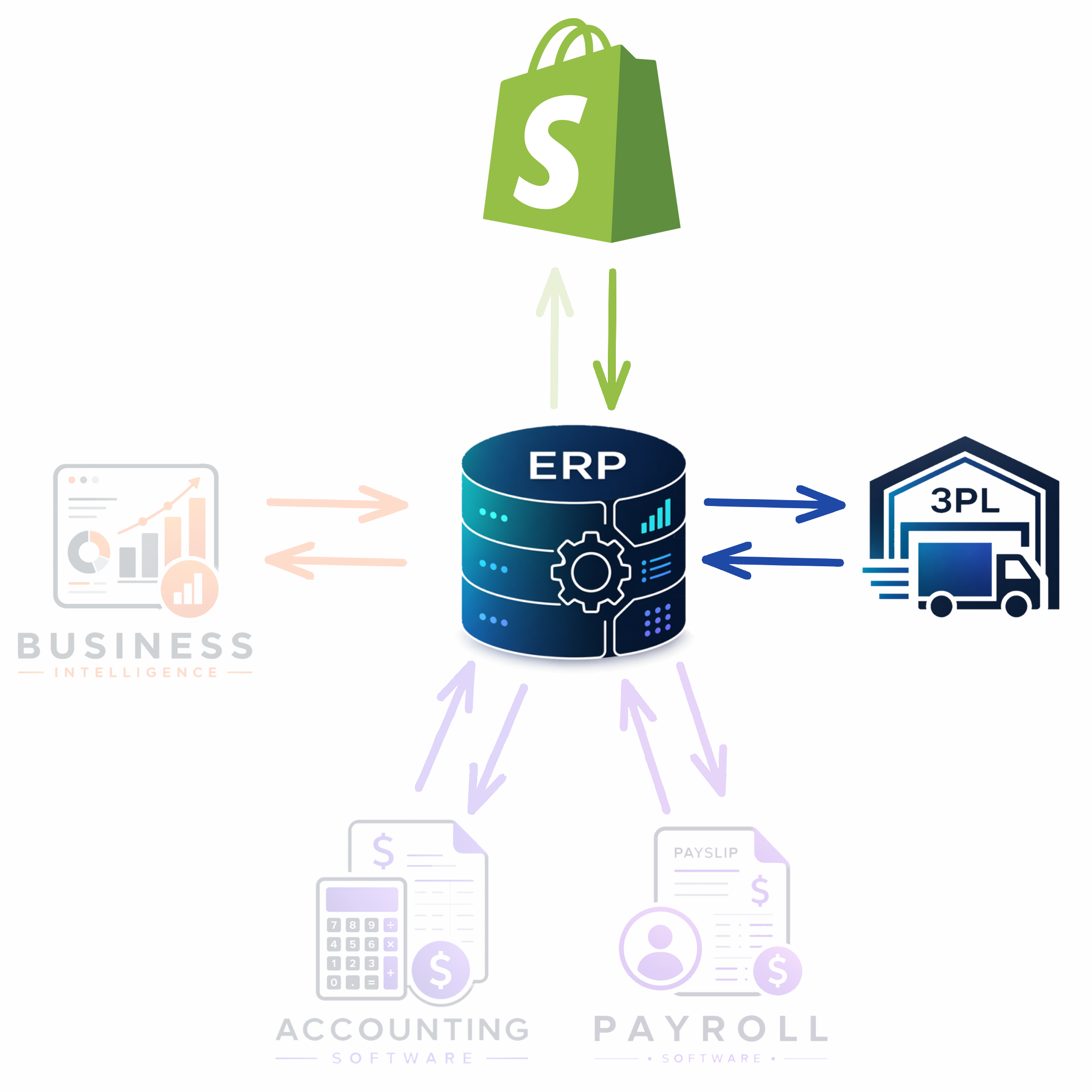
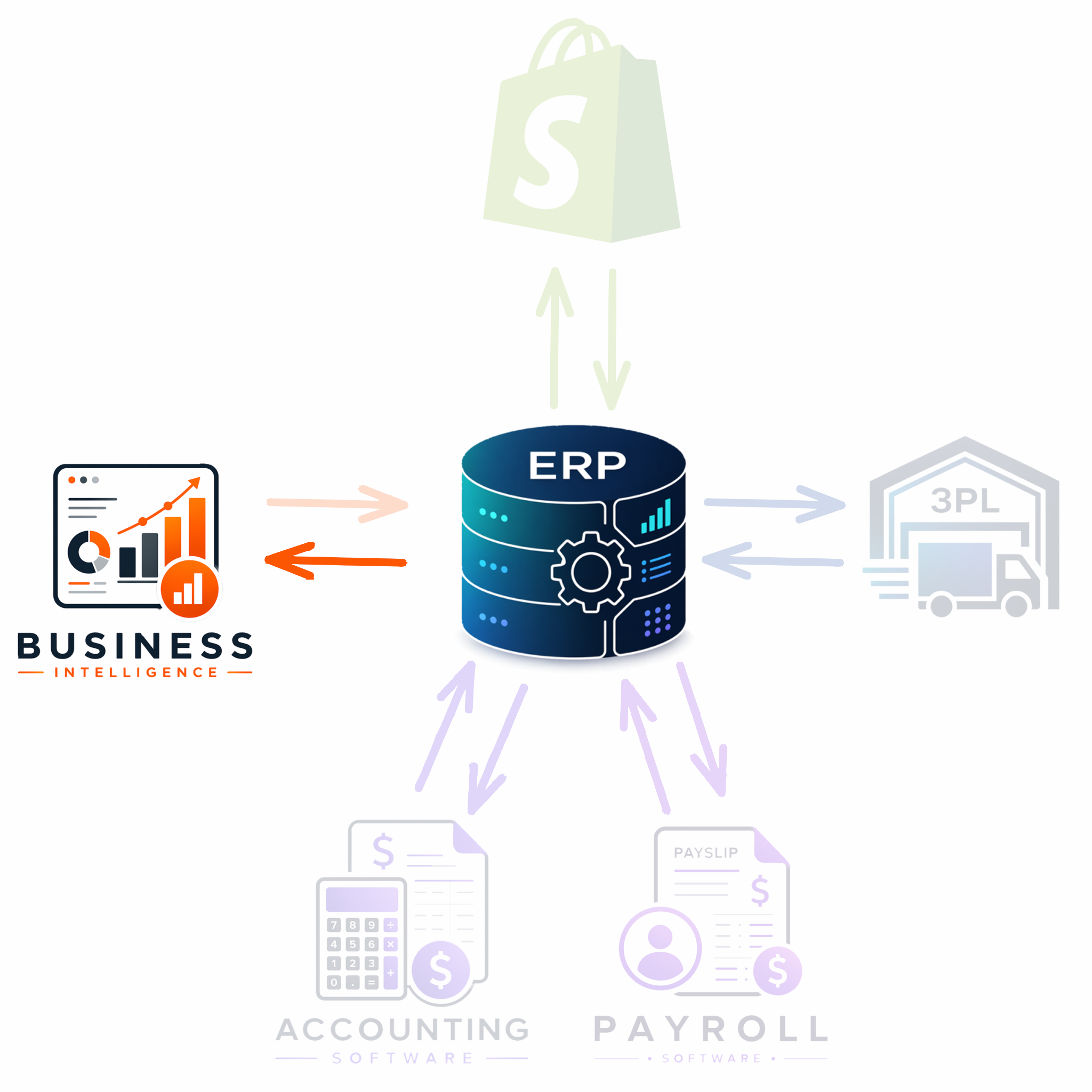
Imagine controlling your business from one software platform.
When Shopify, fulfilment, inventory, finance, and reporting are disconnected, the business loses time, clarity, and confidence. ERP integration brings those moving parts into one structured operating environment.
Commerce
Orders enter through Shopify
Customer orders, product data, and sales activity begin in the ecommerce layer and move into the wider business process automatically.
Commerce
Orders enter through Shopify
Customer orders, product data, and sales activity begin in the ecommerce layer and move into the wider business process automatically.
Services
Practical systems support that makes your business easier to run.
We focus on simplifying operations, improving visibility, and helping your technology support the way your business actually works.
Process & Workflow Design
Map how work currently happens, identify friction points, and rebuild workflows so they are simpler, clearer, and easier to manage.
- Workflow mapping and review
- Process simplification
- Operational structure improvements
System Integration & Clarity
Connect tools, platforms, and information flows so your business has a more complete picture of what is happening and where action is needed.
- Tool and platform alignment
- Better information flow
- Clearer cross-system understanding
Automation & Operational Support
Reduce manual work, improve consistency, and create systems that scale more effectively as your business grows.
- Manual task reduction
- Automation opportunities
- Ongoing system optimisation
Outcome
Better systems create better decisions.
Streamline operations
Improve visibility
Reduce risk
Replace manual work
Migration
Migrate with less risk and more confidence.
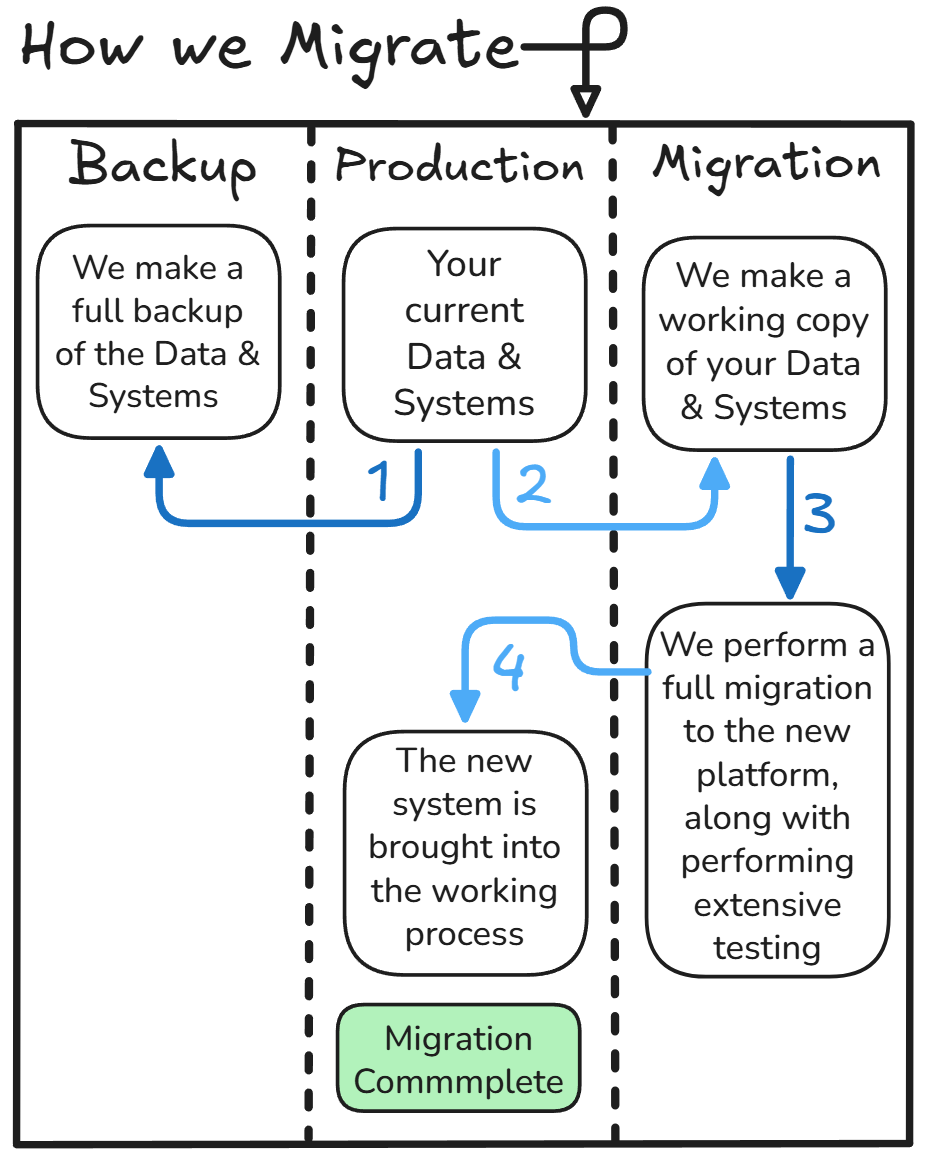
Legacy migrations often stall because owners worry about downtime, lost email, broken file access, or a failed cutover. Enterprise Systems reduces that risk with a controlled migration approach built around backup, continuity, testing, and fallback planning.
What we can migrate
We handle the parts of the environment that usually create the most operational risk during changeover, especially the systems teams rely on every day.
Email Migration
Move legacy mail systems to modern cloud email services with account setup, domain alignment, shared mailboxes, and continuity planning.
Document Migration
Transfer business documents, folders, and file structures into a cleaner cloud-based environment without losing access to important working material.
Image and Media Migration
Relocate image libraries and business media assets safely so teams retain access to operational, marketing, and archival content.
SharePoint Migration
Migrate SharePoint data and environments so internal file access, collaboration, and document structures continue to work properly in the cloud.
Legacy Server Data
Move data from older on-premise servers into modern platforms while preserving business continuity and reducing dependence on outdated infrastructure.
Backup, Restore, and Rollback Readiness
Every migration is supported with backup-first thinking, restore capability, and rollback planning to reduce downtime risk and decision anxiety.
Modern email that scales with the business.
From domain setup to shared mailboxes and centrally managed signatures, Enterprise Systems turns email into a clean, managed business system rather than an ad hoc admin task.
Protect business-critical communications before the change, complete the migration cleanly, and retain a fallback path if something goes wrong.
Planning
Understand the business before changing the business.
Before systems are upgraded, migrated, or connected, you need a clear picture of how the business currently works. Planning creates that visibility so decisions are based on structure, not guesswork.
What better planning gives you
Good planning reduces uncertainty before implementation work begins. It makes later decisions around migration, integration, and process improvement more structured and more reliable.
See how the business actually operates
Identify friction before it becomes expensive
Plan upgrades with more confidence
Create a clearer roadmap for change
What we plan and document
We focus on the parts of the business that need to be understood clearly before change can happen properly, especially where systems, teams, and operational dependencies overlap.
System Diagrams
Document technical environments clearly so decision-makers can understand the current state, the dependencies, and what needs to change.
Business Flow Mapping
Map how information, approvals, and work move across teams and systems so bottlenecks and handoff issues become visible.
Requirements Planning
Translate business needs into practical system requirements, upgrade priorities, and a clearer path for implementation.
Better planning reduces rework, improves communication, and makes later decisions around migration, integration, and process improvement much easier to execute with confidence.
Contact
Ready to streamline everything?
Start with a conversation about your systems, your current bottlenecks, and where the biggest operational improvements can be made.
What happens next
The first conversation is designed to create clarity. We focus on the current situation, the main operational risks, and the most useful next action.
Tell us what is changing
Share the systems, process, or migration challenge you are trying to solve.
We identify the practical next move
We focus on clarity, risk reduction, and what will create the most immediate value.
Build the right plan
Whether it is migration, infrastructure, or workflow redesign, the next step is structured and actionable.
A good first consultation reduces uncertainty, surfaces the biggest risks early, and makes later decisions around migration, systems improvement, and operational change much easier to make with confidence.